
About ArchiveBloom
A careful approach to arranging, describing, storing, and retrieving paper and digital records.
How The Course Works
ArchiveBloom introduces archival work through manageable record sets rather than abstract terminology alone. Learners examine who created the records, why they were kept, how their original order developed, and which documents belong together before changing the arrangement.
Practice then moves into folder titles, reference codes, date ranges, inventories, condition notes, and location tracking. Paper and digital exercises are designed to build a repeatable process that another person can understand and use.
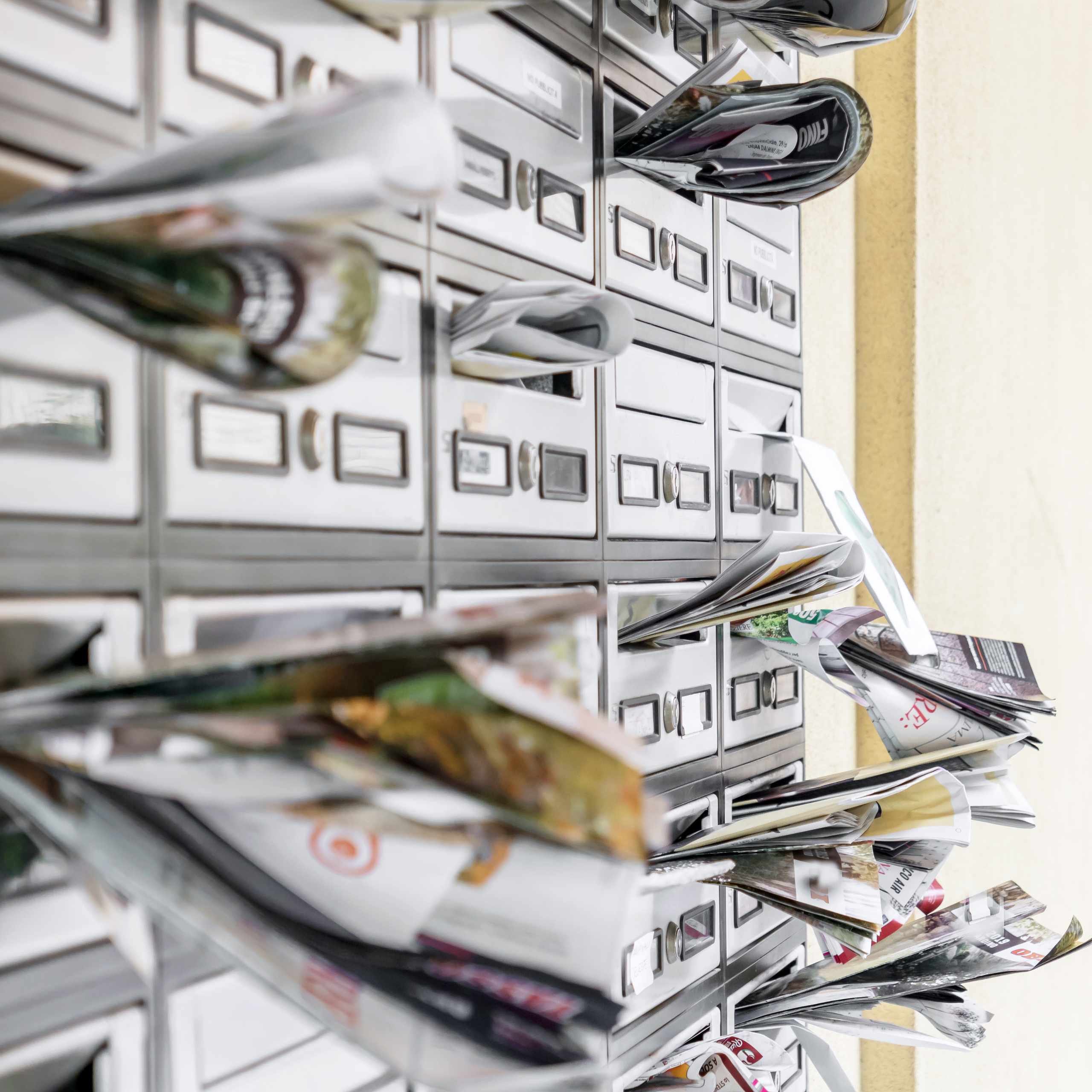
Context before arrangement
THE PRINCIPLES BEHIND THE PRACTICE
Each exercise connects careful record handling with clear description and reliable retrieval.
PRESERVE CONTEXT
Provenance, creator, function, and original order are examined before records are divided into new folders or series.
DESCRIBE CONSISTENTLY
Folder titles, date ranges, reference codes, scope notes, and metadata follow patterns that remain readable across a collection.
TEST RETRIEVAL
Inventories and finding aids are checked by locating, identifying, and returning records without relying on personal memory.
A REPEATABLE LEARNING PROCESS

EXAMINE THE RECORD SET
Identify creators, functions, dates, versions, and existing order before making changes.
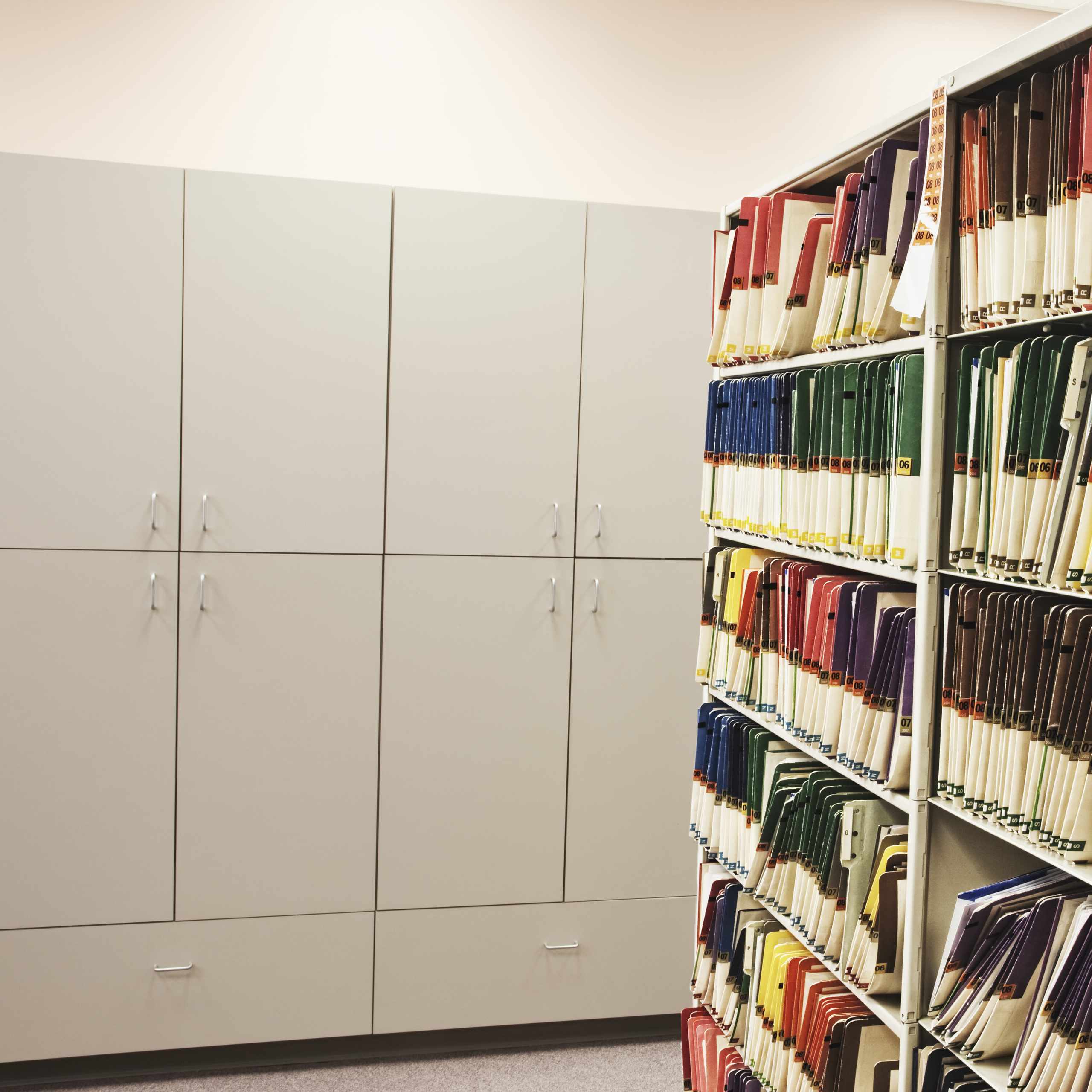
ARRANGE AND DESCRIBE
Build record series, folder titles, reference codes, inventories, and useful notes.
STORE, TRACK, AND CHECK
Record locations, test retrieval, and revise unclear descriptions or filing decisions.